

BY- NADIA HASAN

September 6, 2018 was a historic day for the LGBTQ community when Supreme Court struck down section 377 which previously criminalized the same sex activities. It was a long race for the LGBTQ community to achieve their basic rights. Justice Indu Malhotra, while delivering her judgment said that the “History owes an apology to the members of this community and their families for delaying the redressal process and that the community has suffered from centuries”. So what did she meant when she said, “communities has suffered from centuries”? She clearly implied that it was a very difficult road for the people fighting for their rights but their hard work and dedication lead them to a beautiful destination. From Naz Foundation v Govt. of NCT of Delhi (2009) where part of section 377 was struck down as unconstitutional by Delhi High Court with respect to gay sex to Suresh Kumar Koushal v Naz Foundation (2013) where Supreme Court overturned the High Court ruling and again criminalized the homosexual activities. But these ups and downs in the way of the “pride movement” never left them in despair. In the year 2017, Supreme Court upheld the right to privacy as a fundamental right in the case of Justice KS Puttaswamy (Retd.) and Anr. v Union of India and Ors. (AIR 2017 SC 4161), also the Supreme Court recognized the right of LGBTQ community as real and their protection lies at the core of the fundamental rights embedded in the Constitution of India. After years of struggle and scuffle, they finally achieved what they desired for so many years. Supreme Court unanimously struck down section 377 as unconstitutional in the Navtej Singh Johar v UOI (2018) to the extent where it criminalizes the consensual sexual conduct between the adults of same sex. The LGBTQ community was amazed and saw a silver lining in this judgment. This decision was welcomed by the people of India and people all around the world supporting this “pride movement”. They were hopeful that this decision is a beginning of a new era for the Indian society.
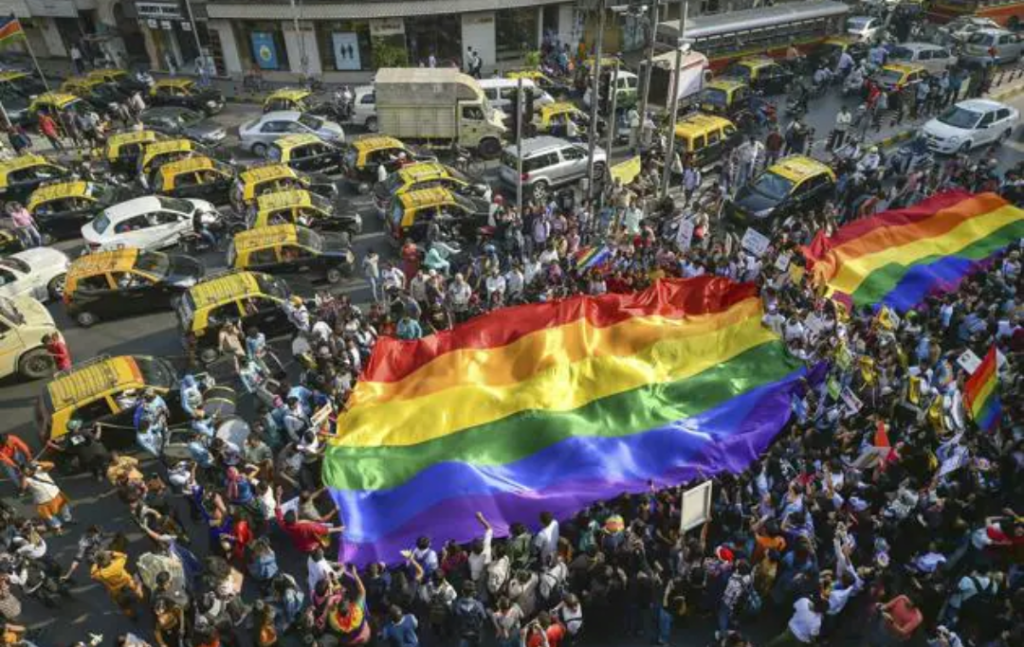
More than 2 years have been passed since the respective judgment; can we now say that the same-sex couples are living freely in the Indian society without any fear of persecution and abuse? The answer is “NO”. This is because there is a huge gap between the judicial and legislative development in terms of providing the basic human rights to the queer and non-binary community. Although the Judiciary has recognized the rights of the LGBTQ community through their various judgments but the legislature has failed to comply with those decisions. One such example is Transgender Persons (Protection of Rights) Bill, 2019 which came in the succeeding year from decriminalization of section 377 with an objective of protecting the rights of the transgender community by prohibiting discrimination against them. But the bill failed to serve the purposes for which it was made rather it raised anger among the transgender community and they fervidly rejected it. This bill further exposes them to institutional oppression where the right to privacy of the Trans community were snatched which led them to further harassment in the hands of the authorities. The bill is discriminatory when it comes to the prescribed punishment for the sexual offences against the Trans community. According to this bill, punishment for the sexual abuse against a transgender is only 2 years whereas the punishment given for the same offence against a woman is up to 7 years. The difference in the punishments are very big, arbitrary and against the equality provisions embedded in the Constitution of India. These drawbacks in such an important bill shows how uncommitted the government is when it comes to the LGBTQ community. Formulating laws in compliance with the landmark judgments of the Supreme Court will help the community to take a step forward and lead a life of dignity.
Despite all the endeavours to combat discrimination against the LGBTQ community by the judiciary and legislature, nothing is going to change unless the society will approve of them. When the judgment of Navtej Singh Johar case came in 2018, there was a hope that the situation for the people of queer community will improve and they will be able to live a life of dignity. But all the hope started changing into disappointment when perception of the society remains hostile towards them. Although homosexual people are not recognized as criminals in the legislature anymore but they are yet not allowed to reveal their identities in the society. They still fear threat of abuse and harassment in the hands of people; they can be abandoned by their parents if their identity came out before them. In most of the middle class household, merely talking about the homosexuality remain forbidden, so one can imagine how difficult it could be for the gay person living in such households to express themselves openly. After scrapping of section 377, everyone was assuming what’s next, but honestly it is way too early for the next step. The people of the country are yet not ready to accept the homosexuals as their own. And there are a lot of reasons supporting this statement. The most important factor is the formulation of the laws. People supporting the decriminalization believe that the next step of the evolution is allowing the homosexual and Trans people the right of marriage and adoption. But these thoughts are nearly impossible to become the reality until the legislature will start working towards the amendment of the present marriage and adoption laws of the country. The parliament needs to amend the marriage laws to make it gender-neutral in order to recognize the same-sex marriages. Although it seems a very difficult task because in a country like India where parents are yet not willing to allow their children to consummate inter-caste marriages so allowing the same-sex one is almost a dream. However, there have been instances where such marriages have been allowed and recognized. In 1988 two police women married each other in a Hindu ceremony, though not registered; such marriage was recognized and accepted by the family members. In 2009, Haryana High Court recognized the marriage between the lesbians, but a more strong judgment came in 2019, after the scrapping of section 377 where a bench of Madras High Court not only recognized the marriage between a biological man and a Trans woman but directed them to register their union under the Hindu Marriage Act 1955. Time to time such marriages have been happened and recognized by the Indian people and the courts which gives hope that sooner or later their dream of legally marrying and having a family will be fulfilled.
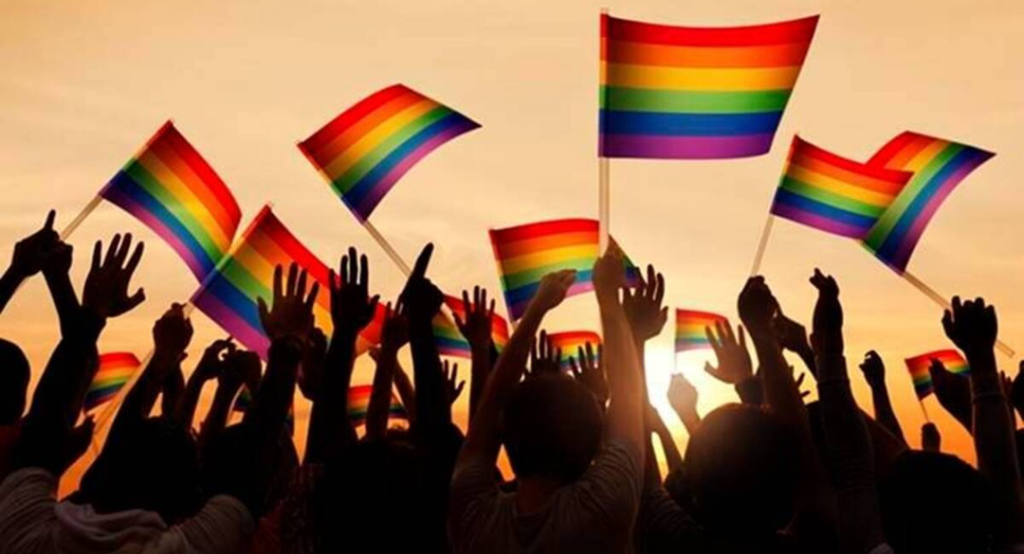
Two years is a long time period but absence of a proper legislation for the protection of the rights of LGBTQ people clearly shows the Government’s unwillingness to work towards their benefit. Time after time sexual minorities have to face discrimination and persecution either by the authorities or by their own people. Queer partners still struggle to adopt or have a family in India. The only reason is our strict adoption regulations. In Hindu Adoption and Maintenance Act, 2005 husband and wife are collectively allowed to adopt a child. These gender specifying terms made it difficult for the queer partners to distinguish themselves as mother and father. The Adoption Regulation Act is a secular law and allows parents from all religions to adopt a child but this act also has no room for the same-sex partners. These restrictions on the LGBTQ people shows that there still exist discrimination and they are yet not equal before the law despite being section 377 stand as decriminalized. Apart from adoption, the new surrogacy bill which was passed to reduce the commercialization of surrogacy and to protect the surrogate mother prohibits the single and homosexual parents to have a child through the process of surrogacy. This is another level to discriminate the LGBTQ people and make them feel more inferior. These were just few examples where homosexuals and Trans people are largely exploited and humiliated. The list is quite bigger than that. If we see the educational institutions, there is no formulated law to protect the LGBTQ community from bullying; such cases mostly go unsolved and unnoticed. Similarly they face a lot of discrimination and harassment at their workplaces because the Government never cared to amend workplace laws to make it more LGBT friendly. Presently Sexual Harassment of Women at workplace (Prevention, Prohibition and Redressal) Act, 2013 is active to protect the women from sexual harassment at workplaces. This act is simply for the protection of the women and there is no scope for the protection of transgender or homosexual people. The government needs to understand that these laws must be amended in order to make a safe workplace environment for the queer people. If needed, the government must focus in formulating laws that have strong anti-discriminatory policies and are genderneutral so that protection of the sexual minorities are validated and they also enjoy being in a place where they are treated equal to others and accepted unconditionally.
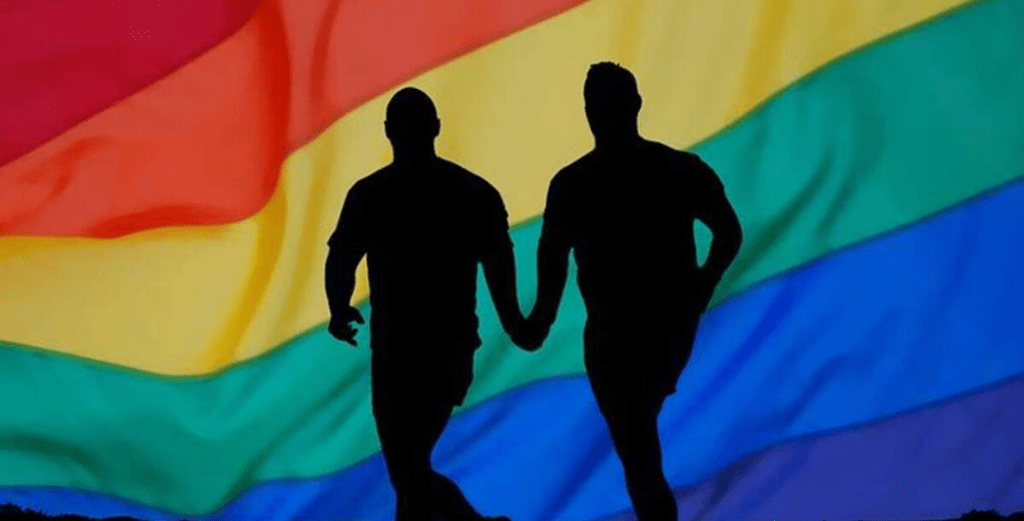
LGBT people are fighting their battle of equality from centuries and decriminalization of section 377 is their mini triumph but the battle is still not finished. Even today they are not accepted as a normal human being by the society. They are not treated as equals and have not been given same rights as the heterosexuals. The judiciary has done its part by decriminalizing such a draconian law, now it is high time for the legislature to fulfill its part by formulating and amending laws in such a way so that it benefits the entire LGBTQ community. Their rights must be recognized as basic human rights which every single human being deserves to enjoy. They should be allowed to marry, adopt or take child through surrogacy. In many instances, right to marry has been recognized by the Supreme Court as a part of fundamental rights, though it is not expressly mentioned. In case of Lata Singh v State of Uttar Pradesh, Supreme Court interpreted right to marry as a part of Article 21 of the Indian Constitution. Hence depriving them the right of marriage is in the violations of the fundamental rights. Further, the Government and other institutions need to create awareness among the people of the society regarding this issue because the society’s perception plays a huge part in any step of evolution. All the hard work and the laws will be wasted if thinking of the society will not shift. Their conservative mind needs to be polished in order to bring change and win the battle of equality and “pride”. Hence we may not confidently say that only by decriminalizing a particular section has given the full freedom and rights to the homosexual and transgender communities but their condition is more or less the same as it was before the decriminalization process. They still hide their identities from the people and from their family. They still fear abuse and humiliation in case they reveal themselves. They are still being deprived of their rights to marry, adopt and inherit. They have not been given proper protection in case of any sexual offences against them and the list goes on. So in short we can say that a very little or nothing has changed. Decriminalizing section 377 was like removing the tip of an iceberg where the bigger part is still standing tall in the waters. It will take time and support from the people and the government to win this battle of pride and to give the LGBTQ people the rights and freedom which they deserve.
Download Your E-Article/E-Paper here!!
The Audiobook is only available for a week. Make sure you download it from the online link. (If you forget to download Your Audiobook don’t worry just reach out to us via [whatsapp] we will help you with the same.)


 The Independent Pioneer