

BY- ANJALI GOYAL

NAARI FOUNDATION
B.A LL.B Honours (Student)
Jindal Global Law School, Haryana
Communities around the globe are trying to curb gender gap, however even in the twenty first century gender inequality is an issue, especially in developing countries like India. The main reason for gender disparity is that most of the societies and the governmental policies function under the garb of patriarchy. One of the solutions, I think through which this problem can be addressed is by providing basic level of education to girls, at least in India. The Gender parity Index for primary education is great in India as it is more than one, however, as we go higher in terms of standards (8th-12th class mainly), the number of girls dropping out of school increases. There are multiple reasons for the same like, girls are still considered a liability rather than an asset by her parents, so they do not want to invest in her education as they feel that in the end she has to get married and make “rotis”, there are safety issues and there is no sanitary hygiene provided by many state schools. Menstruation is not a choice for girls, and they bleed almost every month, thus menstrual hygiene in schools is big reason for girls to drop out once they hit puberty i.e. in their adolescent age. Therefore, I will try to talk about the lack of menstrual hygiene in schools which cause the gender disparity between males and females to increase.
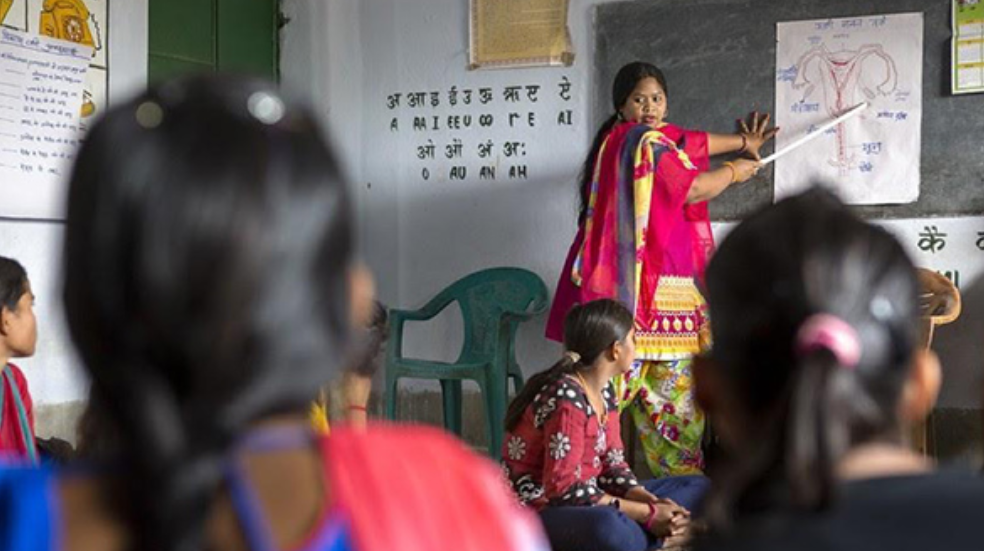
There are people who do not even acknowledge the fact that women menstruate every month, then how can we expect something awareness about menstruation hygiene in places like school? Schools are a place where people learn their basics for life and girls should be given equal opportunities as boys, thus, they should not be deprived of education due to a taboo that exists in the society. Further, schools in villages are not always located at an accessible distance. For instance a primary school in district like “Dholpur in Rajasthan, like millions of others in districts across India is barely equipped with a functional toilet, let alone something as essential as sanitary napkin dispensers. Infrastructure in these schools is not equipped for young girls, further, menstruation remains a biological event shrouded in mystery and taboo, not to be spoken about openly.” . Due to multiple factors and taboos associated with menstruation, “millions of girls drop out of school or start taking extended periods of absence around middle school due to their menstruation cycles.”
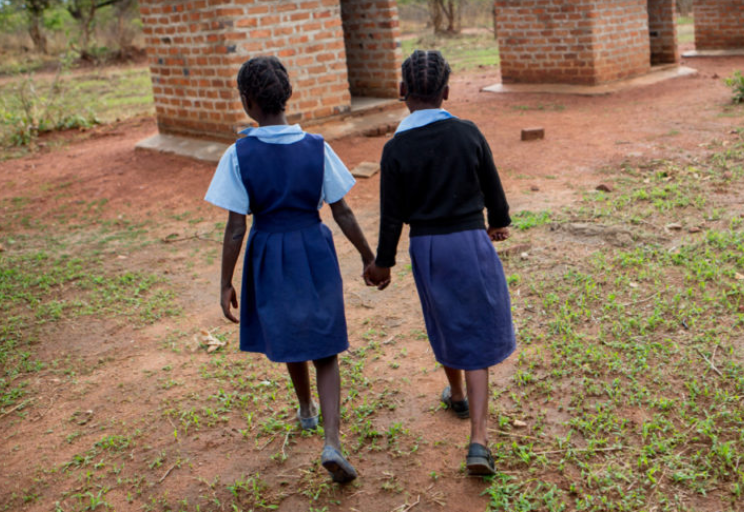
Let us look at certain reports which further point out the increasing dropping rates of girls due to menstrual hygiene. In 2015, a Mumbai bases foundation, Dasra made a report which concluded that “on an average a girl tends to miss school six days a month due to the inability of managing their periods at school. This eventually contributes to almost 23% girls dropping out of school on reaching puberty, which critically undermines their potential as individuals and future workers . Further, an UNESCO in 2016 pointed out that, 20% of girls drop out of school after reaching puberty in India. In 2018, Ministry of statistics and program implementation published a report which stated that “Over 30% of girl students drop out of school by the time they get to class IX and the number rises to 57% in class XI.” Even the 13th report by “Annual Status of Education Report (ASER 2018) in January, published that 7.4% girls drop out of school between the age group of 11-14 years.” All these report point out the striking low rates of girls in educational institutes due to lack of menstrual hygiene which needs to be addressed by the state as a matter of this magnitude will stall the country’s progress in order to become a fully developed nation.
Download Your E-Article/E-Paper here!!


 The Independent Pioneer