

BY- VANDANA TIWARI

Human Rights as per The United Nations is the “Rights to freedom of opinion and expression, which moreover includes the freedom to hold opinions without a deduction being made to seek, receive and impart information and philosophies through media.” It protects the morality of every individual and ensures that their rights are not violated. Regardless of ethnicity, nationality, race, sex, language or any other status. Every human being is a special asset to the country and that they shall be treated with highest respect and taken care of which is what implies to Human dignity. However, while enacting anti-terrorism laws, where do these rights get disappeared. Terrorism resides deep amongst our lives as can be seen over the trail, may it be the attacks of 26\11 or series of bombing in 1993, the reason behind which has usually varied from either religious beliefs or call it the differential opinions over unemployment and poverty.
Hence, it is crucial that the enactment of ani-terrorism laws is not done while compromising with the human rights. A balance needs to be maintained between the individual liberty and the country’s sovereignty. In India, the Anti-terrorism laws are being enforced in the following ways:
Taking a closer look, we find human and rights are merely two simple words which when put together constitute the base of our existence, but besides these various threats to human rights, the most challenging one has always been – terrorism. Be it economy or politics or social life, terrorism has banged every part of our lives. So, with a broader aspect, contrary to independence is what stands terrorism and independence is vain without human rights. The most affected locations are the bordering states of India, which hold severe threat from terrorism which led India to enforce various laws to counter with terrorism. A few amongst these are the 1987 Prevention of Terrorism Act, Terrorism and Disruptive Activities (Prevention) Act, 2002, Indian Penal Code, section 124-A, Waging war against India and Armed Forces (Special Power Act 1958), etc. Respecting human rights, forwarding social justice, enhancing democracy and to hold aloft the superiority of the rule of law is the best way to defeat and dessert terrorism.
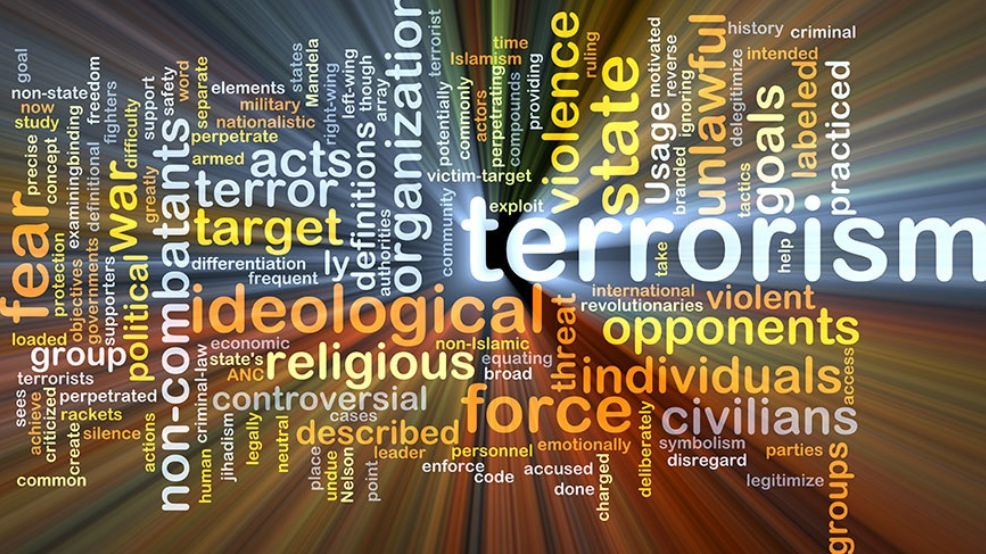
Terrorism and Human Rights are like leeches feeding on each other and eventually destructing mutually and hence there is no way both can exist together. If there is terrorism means no human rights leading to no respect for dignity and life of humans and democratic values. Moreover, it also is a hindrance in resolving and settling down conflicts and disputes by civil methods. This problem of terrorism overpasses and exceeds all borders whether it be international, national, political or economic. So, we see, the solution to all this brings us to alarm and call for a global support, international cooperation and cross-nations actions with worldwide efforts. Terrorism is an important world issue not just because it involves violence but because it costs the life and rights of the innocent. It is an action took voluntarily by the inhumane to terrorize the non-guilty.
Terrorism is enforced irrespective of cast, creed, religion or region. This globalized international terror is unfortunately funded and preserved by a lot of gouts who are Swiss accounts for terrorists and false passports. And with enhanced and advanced technology, a wide range of mini portable and easy to use gadgets and weapons are incoming to the possession of these terrorists. Quality improvement of these weapons also takes place hence enhancing the fatality and posing a greater threat to humans.
League of nation convention (1937)
Terrorism is use of terror as means of coercion. It is the unlawful use of threats to civilian to accomplish their agendas.
To protect civilians from such activities every government is backed by their own measures along with law to ensure human rights in three different levels
a) To protect human right of the innocent people who were victimized in the terrorist act
b) Prevention of human right of terrorists in legal and judicial beginning from search operation, punishment, trial etc.
c) Promotion of human right to cut the root of terrorism by educating people and inculcating awareness.
1.For THE PREVENTION of UNLAWFUL ACTIVITIES Act, 1967:
The purpose of this statute is to solve problems in the context of terrorist activities on the territory of the country. According to a recent amendment, the government can now tag people as terrorists without judicial review, if there are sufficient grounds to believe that they are. Previously, it was limited to the organizations and community groups.
2.SECTION 121-127) OF the INDIAN PENAL CODE is :
These rules also apply to the determination of the fines and penalties for the conduct of the war, the Government of India.
The only area of law that governs alone, the counter-terrorism system in India in 1967, the UAPA, which has been amended several times since its adoption. In India, the National Security Service’s anti-terrorism agency, which is responsible for the fight against terrorism and the protection of the State from internal disturbance. This unit was created by the Ministry of interior (MOI) in 1986, among the National Security Act of 1986. However, this organ has had a number of disadvantages as well. According to a study by the Observer and the Foundation from 2006 to 2008, the police in Mumbai and received 26 warnings of a possible attack.
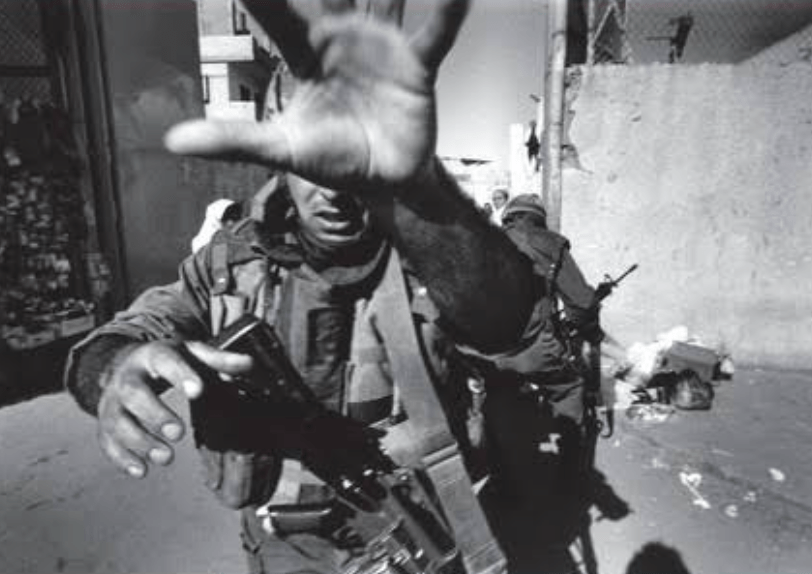
However, the lack of co-ordination between the authorities and led to a 4-day attack on 26/11. At this stage, but he felt the need for a more effective body, the National counter-terrorism Center, and the co-ordination of the efforts in the fight against terrorism between the Union and the State . It has been suggested that this office is to work within the IB framework, and the analysis of the intelligence related to terrorism and related crime, and the maintenance of the required databases, and the development of appropriate measures and on the assessment of the threat from the two levels of government: the European and the State . However, the agency has not yet been determined, and it cannot be ruled out on the town.
THE SUPREME COURT IN KESHVA NANDAN BHARATI
The constitution of India in its preamble has tried to fit itself with all possible essence of social order under rule of law. The state with the aim of achieving the unity and integrity in nation through human rights has enshrined the achievement of important goals like social, economic and political justice, equality of status, opportunity and dignity among people and above all right to education, shelter and a healthy environment for people without discrimination.
With the concern related to terrorism and such activities our government came with Terrorist and disruptiveActivities(Prevention)Act,1985(repealed),Terrorist and disruptive Activities (Prevention)Act,1987(repealed),Prevention of Terrorist Act,2002(repealed),the Maharastra Control of Organized Crime Act,1999(state law) ,apart from the present existing law, Unlawful Activities (Prevention0act,1967 and National Security Act,1980.
The impact of terrorism on human rights
Terrorism aims at the very destruction of human rights, democracy and the rule of law. It attacks the values that lie at the heart of the Charter of the United Nations and other international instruments: respect for human rights; the rule of law; rules governing armed conflict and the protection of civilians; tolerance among peoples and nations; and the peaceful resolution of conflict. Terrorism has a direct impact on the enjoyment of a number of human rights, in particular the rights to life, liberty and physical integrity. Terrorist acts can destabilize Governments, undermine civil society, jeopardize peace and security, threaten social and economic development, and may especially negatively affect certain groups. All of these have a direct impact on the enjoyment of fundamental human rights.
The destructive impact of terrorism on human rights and security has been recognized at the highest level of the United Nations, notably by the Security Council, the General Assembly, the former Commission on Human Rights and the new Human Rights Council.

Conclusion
As the fight against terrorism is always against the basic human right standards.Instead of pitching the idea of liberty and security against each other, it is states obligation to compliant with the standards of human rights and can win the everlasting war against terrorism.This will also aid in avoiding legal shortcomings and will be more effective in comparison to those strategies that themselves violate human rights standardsm.In reality the mechanism of human rights is to respond to conflict and provide a peace and stability and there theta are applicable in dealing with terrorist threats and all other notions that revolve around terrorism.
The act of terrorism is against the everything that a state is obliged to protect like right to life and torture,former infringes the duty of the latter doesn’t imply that the state has failed in its responsibilities.
Download Your E-Article/E-Paper here!!
The Audiobook is only available for a week. Make sure you download it from the online link. (If you forget to download Your Audiobook don’t worry just reach out to us via [whatsapp] we will help you with the same.)


 The Independent Pioneer