

BY- KHUSHI SHARMA

WEST BENGAL HUMAN RIGHTS COUNCIL
(A WING OF WICCI)
BA. LL.B (Hons.)(Student) School Of Law
UPES, Dehradun
Child Pornography is the sexual exploitation of minors. In recent years, numerous cyber-crimes have been perpetrated against minors. Children’s explicit videos have recently been alleged to have been uploaded to the dark side of the internet. This kind of activity has a terrible impact on the mental health and the social life of the victim child.
Some people find it interesting to see these children engage in sexual activity. Adults who are paedophiles, hebephiles, or ephebophiles are the most common. Since the lockdown, the number of cases of child pornography has risen. According to a study conducted, persons who browse child pornography are more likely to engage in child sexual molestation. As a result, it is even more perilous to investigate the situation and come up with a solution.
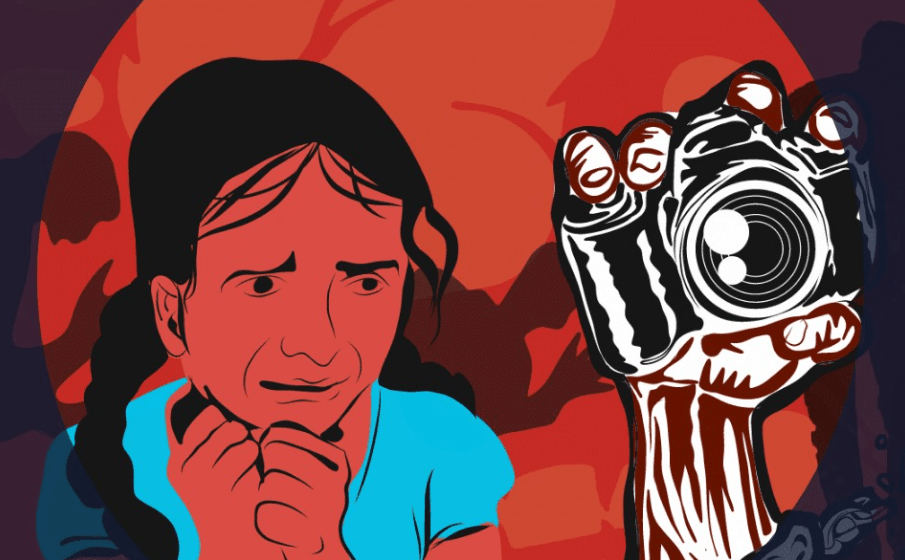
The victim kid suffers severe psychological, physical, and social effects resulting from this form of crime. The victim kid is frequently diagnosed with depression, anxiety, temper problems, panic attacks, and other mental illnesses, which can last a lifetime. These youngsters are verbally attacked in society, and so as a consequence, they often lead to self-harm. Many victims also suffer from a sexually transmitted disorder.
Pornography has also been linked to risky sexual health behaviours like not using condoms and having hazardous anal and vaginal intercourse. This has an outcome not only on the victims but also on the audience. Viewers who watch pornography on a regular basis get addicted and fascinated with it. As a result, people get fascinated with the idea of doing the same things in real life. Rape, domestic violence, and other crimes are on the rise as a result of this. Pornography has increased as a result of the current pandemic.
Since the lockdown, there has been an almost two-hundred percent rise in child pornographies. These youngsters grieve inexorably and are unable to break free from the terrible cycle. This is a vicious loop that must be broken. As a result, the Indian Parliament established the Protection of Children from Sexual Offences (POCSO) Act to break the cycle and deal with situations like these. The Protection of Children Against Sexual Offenses Bill, 2011, which forbids sexual abuse of children, was voted into law by the Indian Parliament on May 22, 2012. In comparison to earlier, this act has broadened the scope of sexual assault reporting. This new law recognizes penetration methods other than penile-vaginal penetration and makes acts of juvenile immodesty illegal. Penetrative sexual assault is when a penis/object/any part of the human body is inserted into the child’s vagina/urethra/anus/mouth, or when the youngster is persuaded to do so with themselves or the other man. This statute also makes stalking any minor illegal. The protocol for reporting sexual offenses against children is outlined in the legislation. It is necessary to report sexual crimes against minors per section 19 of the act, including a suspicion that an infringement under the act has been performed. Under this act, people who indulge in child pornography can face up to five years in prison and a fine. Those who commit penetrative sexual assaults against a child under the age of 16 might face a sentence of up to 20 years in jail, with the possibility of a life sentence.
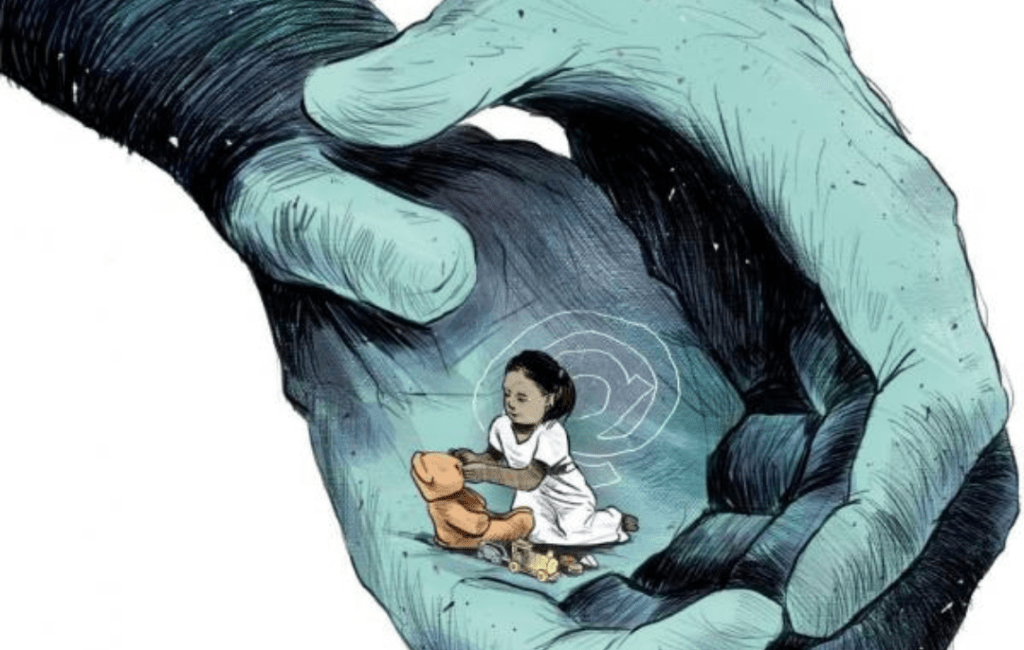
This POCSO act is designed to be child-friendly. It was planned in such a manner that the victim children experience no difficulties and are not retraumatized. This act provides various benefits to the children. To begin, the police officer must guarantee that the child does not come into touch with the accused during the inquiry. The victim can alternatively have their statement recorded in their home or at a location of their choice, ideally by a female police officer or an official with at least the rank of sub-inspector, dressed in civilian clothes. The identity of the child is also kept confidential. If the victim is a female, the medical examination must be conducted by a female doctor, and it must be conducted in the midst of a parent or someone the kid trusts. If neither of these individuals is present, the examination shall be conducted in the company of women chosen by the medical institution’s director. When a sexual offense against a juvenile is done, the police may attach sections of the POCSO Act to the First Information Report (FIR). While special laws supersede the Indian Penal Code, the FIR frequently mentions parts of both. POCSO may be utilized in conjunction with sections of the Information Technology Act in situations such as owning child sexual abuse material, forcing children to generate any sort of child sexual abuse material, or exposing minors to pornography. The Rajya Sabha of the Indian Parliament, recognizing the gravity of the situation, has made several recommendations. These recommendations include certain changes in the Protection of Children from Sexual Offenses Act and the Information Technology Act, 2000. The POCSO Act makes it illegal to solicit sexual interactions with a person under the age of 18 by published material, visual depiction, audiotape, or any other portrayal. To protect the children, the POCSO act holds school administrators accountable for the safety of students in schools, transportation services, and any other programs with which the school is affiliated. According to Rajya Sabha’s suggestions, a new section was introduced to the Information Technology Act. Punitive penalties for individuals who provide pornographic exposure to minors, as well as those who view, create, or transmit child sexual abuse material, are addressed in Section 67B of this act. Along with that, Section 69A of the Act gives the Union Government the right to restrict and/or forbid all internet sites that include any sort of child sexual abuse content through its authorized authority. Aside from these two statutes, law enforcement organizations such as the Central Bureau of Investigation are permitted to break end-to-end encryption in order to track down child pornographers. The minimum fundamental technology for detecting molestation content must be enforced across all social media platforms. In addition, social media will include a method for verifying age and limiting access to objectionable/obscene content.
The Rajya Sabha has suggested that the National Commission for Protection of Child Rights (NCPCR) be recognized as the main body for dealing with the issue of child pornography. The NCPCR would be modernized and technologically equipped. A nationwide tip line number has also been established to report sexual abuse of children and the dissemination of child pornographic content. It was also suggested that every state and union territory establish an authorized State Commission for the Protection of Child Rights, which would match the NCPCR’s skills and capabilities. E-safety Commissioners should also be established at the state level to guarantee that social media and website rules are followed. Apart from these suggestions, there are a variety of other strategies to avoid child sexual abuse. We should always be in contact with any youngsters in our immediate vicinity, talking to them about child sexual abuse and ensuring their personal and sexual safety. When your kid is asked to sleepovers, celebrations, camps, trips, and other events, you should be properly informed about the intricacies of supervision and sleeping accommodations. Children should be well-informed about some topics in order to avoid being subjected to any form of sexual abuse. Some of the fundamentals include informing children about their private body parts and the need to have them discreet. Certain boundaries should also be known by the youngsters. These boundaries set that nobody should touch them without their permission. Realizing the magnitude of the problem in today’s world, we should educate youngsters in self-defense. Every youngster should know how to get out of a bad circumstance and how to defend themselves when they are being exploited. Some of the numerous strategies to keep children safe include after-school events, parent education seminars, mentorship programs, and psychological counseling. we should be a supporter of these activities in our neighbourhood. We should also educate youngsters on their legal rights. And what may be done if these rights are infringed upon. This also stops them from believing that any form of sexual assault is their fault, as many people do nowadays. Many times, we’ve observed that intervention comes only after harassment has been reported. More money should be put into initiatives that have been shown to prevent abuse before it happens. This can be accomplished through family counselling and home visits by nurses who support new parents and their children.

As evidenced by efficacy studies, child pornography is still a significant public health issue in all nations. As a result, the sole purpose of this essay was to raise public awareness about the gravity of this problem. The primary objective was to raise consciousness about the laws accessible to victims and how we can avoid such acts. The emphasis should thus be on the significance of sexual health prevention and promotion, including teaching children as early as kindergarten how to recognise potential abuse circumstances or intents, gender equality education, and encouraging healthy sexuality.
Download Your E-Article/E-Paper here!!
The Audiobook is only available for a week. Make sure you download it from the online link. (If you forget to download Your Audiobook don’t worry just reach out to us via [whatsapp] we will help you with the same.)


 The Independent Pioneer